
Accelerating the next decade.
GPU-native simulation for marine robotics. Hours of training instead of months at sea. Built for labs, industry, and defense.
What we stand for
The next decade of marine robotics shouldn't be paced by currents and weather.
It should be paced by simulation fidelity, GPU compute, and how fast AI agents can learn.
We're building the infrastructure that makes that pace possible.
Five constraints holding marine robotics back
- 01
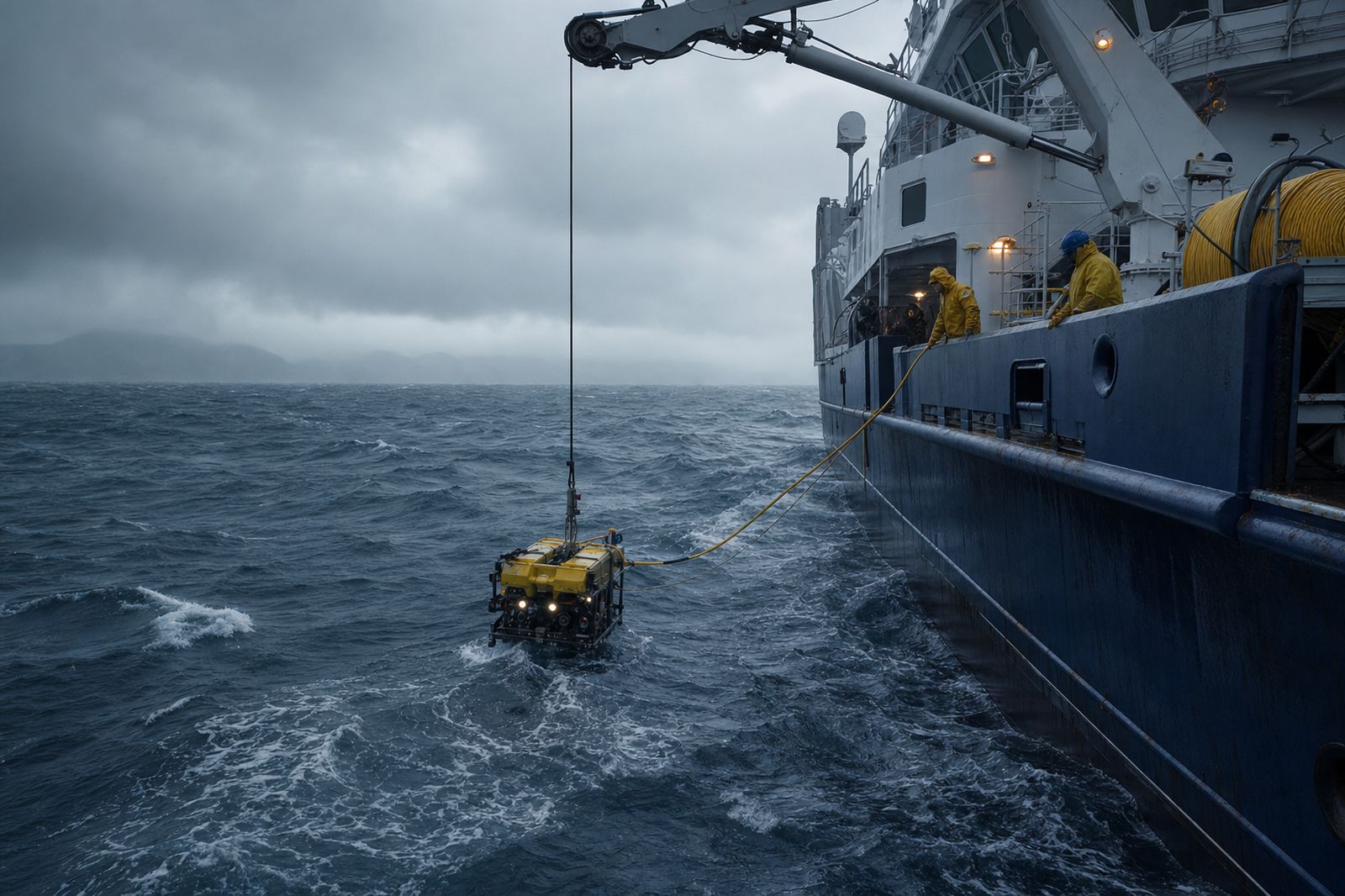
Real ocean trials cost so much they cap iteration
A day at sea: ¥10k–¥100k+. Corrosion, entanglement, gear loss. Non-reproducible currents. Progress gated by weather. Without high-fidelity simulation, iteration speed is locked to nature's clock.
- 02
CFD is too slow for RL to even start
Hi-fi CFD: 1 second of physics takes 1–100 hours to compute. The 1M+ episodes RL needs is mathematically unreachable. Even GPU-accelerated CFD can't approach the real-time × 1000× threshold the field actually requires.
- 03
Legacy underwater sims waste modern GPUs
Gazebo / UWSim / HoloOcean: single-threaded CPU at hundreds of FPS. RTX 5090 / H100 compute is wasted. Multi-agent parallelism is near zero.
- 04
The sim-to-real gap kills policy transfer
Insufficient fluid fidelity — sim policies collapse in water. No principled sim-to-real calibration. Sensor simulation (sonar, underwater camera) is oversimplified, creating false confidence.
- 05
AI-native interfaces are missing
Gym/gymnasium adapters absent or low-quality. Poor multi-agent scene support. Multimodal marine datasets (sonar, optical, IMU) aren't open — foundation-model training is gated by data scarcity.
What we're building
Full RL training pipeline
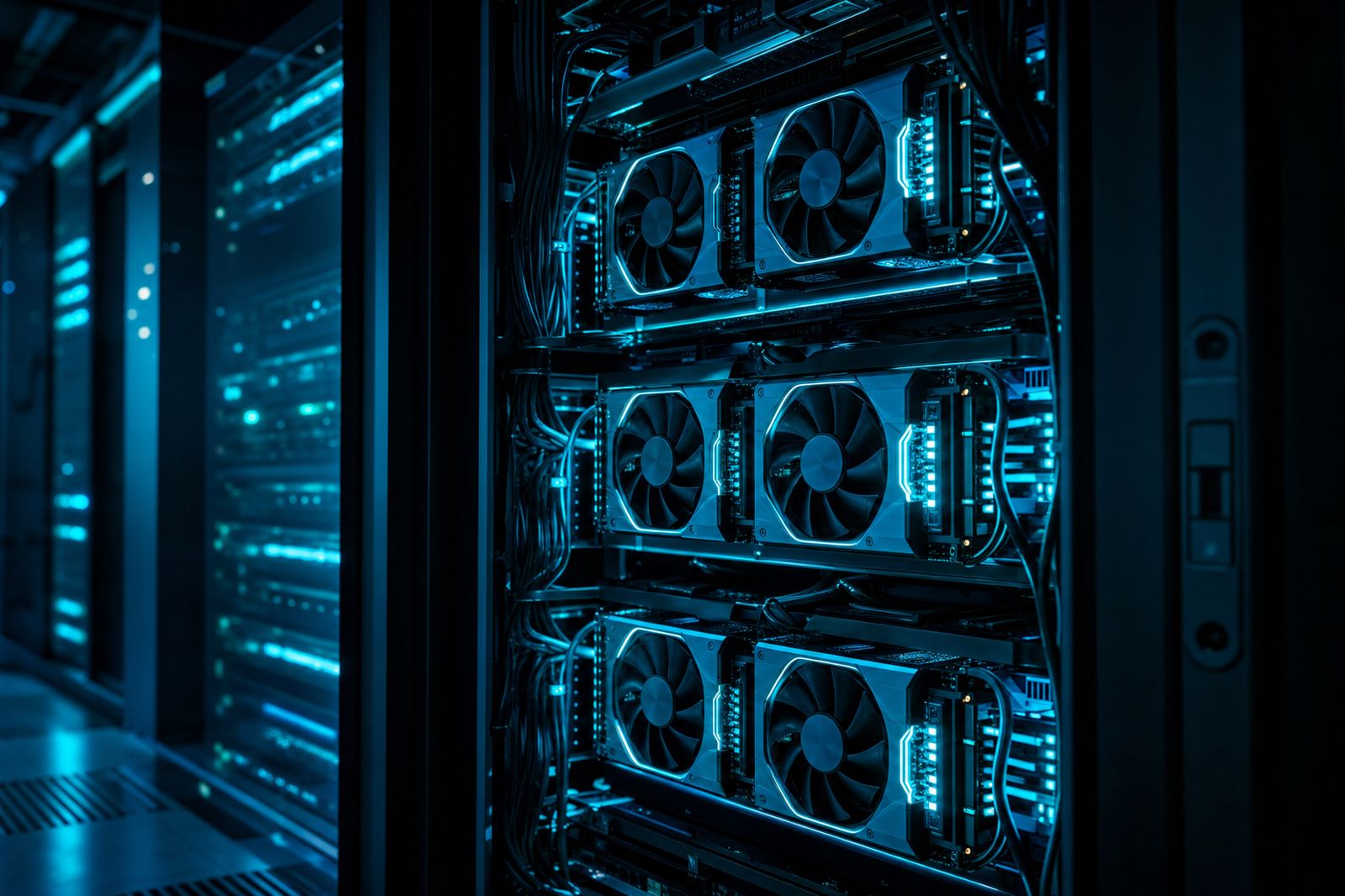
End-to-end on a single RTX 5090. Environment to policy, all in simulation.
Fossen multi-env throughput
8192 parallel envs on the Fossen 6-DoF kernel. 900× target achieved.
Marine-specific physics
Rigid body dynamics + fluid simulation, built for the ocean.
GPU-native physics + render
Newton engine maintained by Anthropic + NVIDIA + Lightwheel + Apple. Isaac Sim 6 rendering.
Drop-in RL interfaces
rl_games · stable-baselines3 · RSL-RL — direct integration.
Real-world ocean scenes
Ships / AUVs / ROVs / sensors + procedural ocean generation.
Our stack
OceanScale is built on the most advanced GPU-native physics and rendering stack, co-maintained by some of the most consequential teams in the field.
See it run
BlueROV2 RL training
RTX 5090 single card, full training pipeline measured. 11,435 FPS single-env.
Multi-AUV formation
Multi-agent navigation and collision avoidance (concept render, v0.3 ship).
SPH fluid visualization
Real-time fluid field rendering, GPU-native SPH kernel (concept render, v0.3 ship).
Numbers, side by side
| Metric | OceanScale | UWSim | HoloOcean | Gazebo |
|---|---|---|---|---|
| Single-env FPS (RTX 5090) | 11,435 | ~200 | ~500 | ~100 |
| Multi-env throughput @ 8192 envs | 90 M env-steps/s | — | — | — |
| Multi-env parallel scaling | 8192+ | — | partial | partial |
| GPU-native physics | Newton | — | — | — |
| RL gym interface | Native | 3rd-party | 3rd-party | 3rd-party |
| SPH fluid kernel | ✓ | — | — | — |
| Fossen 6-DoF | ✓ | ✓ | partial | — |
| ROS 2 integration | v0.3 | ✓ | ✓ | ✓ |
OceanScale figures measured by W2 benchmark (2026-05-15, RTX 5090). Other tools' figures sourced from public documentation and community reports; actual values depend on scene and hardware.
Get in touch
Research institutions, industry partners, and prospective collaborators — we'd love to hear from you. We respond within 48 hours.